The Therapeutic Benefits of Cube Outdoor Saunas: A Traditional Approach to Wellness
Introduction
Cube outdoor saunas represent a modern interpretation of traditional sauna practices that have been utilized for centuries across various cultures, particularly in Nordic countries. The therapeutic benefits of sauna bathing are well-documented, encompassing physical, mental, and social health advantages. This article explores the traditional aspects of cube outdoor saunas, their health benefits, and the scientific evidence supporting their use.
Historical Context of Saunas
The origins of sauna bathing can be traced back to ancient Finland, where saunas served as places for relaxation, socialization, and even childbirth. Traditional saunas were typically constructed from wood and utilized heated stones to create steam, promoting a unique environment conducive to physical and mental well-being. The cube design, characterized by its compact and efficient structure, allows for easy installation in various outdoor settings while maintaining the essence of traditional sauna practices.
Health Benefits of Sauna Use
Numerous studies have highlighted the health benefits associated with regular sauna use. Some of the most significant findings include:
- Cardiovascular Health: Regular sauna bathing has been linked to improved cardiovascular function. A study published in the American Journal of Hypertension found that frequent sauna use was associated with a reduced risk of sudden cardiac death, coronary heart disease, and overall cardiovascular mortality.
- Respiratory Benefits: Sauna use can improve respiratory function and alleviate symptoms of conditions such as asthma and bronchitis. A systematic review in the Journal of Asthma indicated that heat exposure may enhance lung function and reduce airway resistance.
- Muscle Recovery: Post-exercise sauna use has been shown to aid muscle recovery and reduce soreness. Research published in the Journal of Athletic Training suggests that heat therapy can facilitate muscle relaxation and improve circulation, thereby promoting faster recovery.
- Mental Health: The psychological benefits of sauna use are also noteworthy. Regular sauna bathing has been associated with reduced symptoms of anxiety and depression. A study in the Journal of Psychosomatic Research found that participants reported improved mood and overall well-being after sauna sessions.
Cube Outdoor Saunas: Design and Functionality
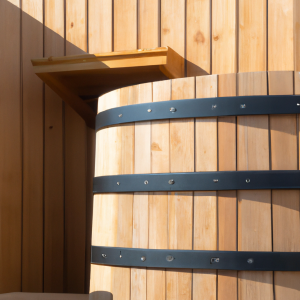
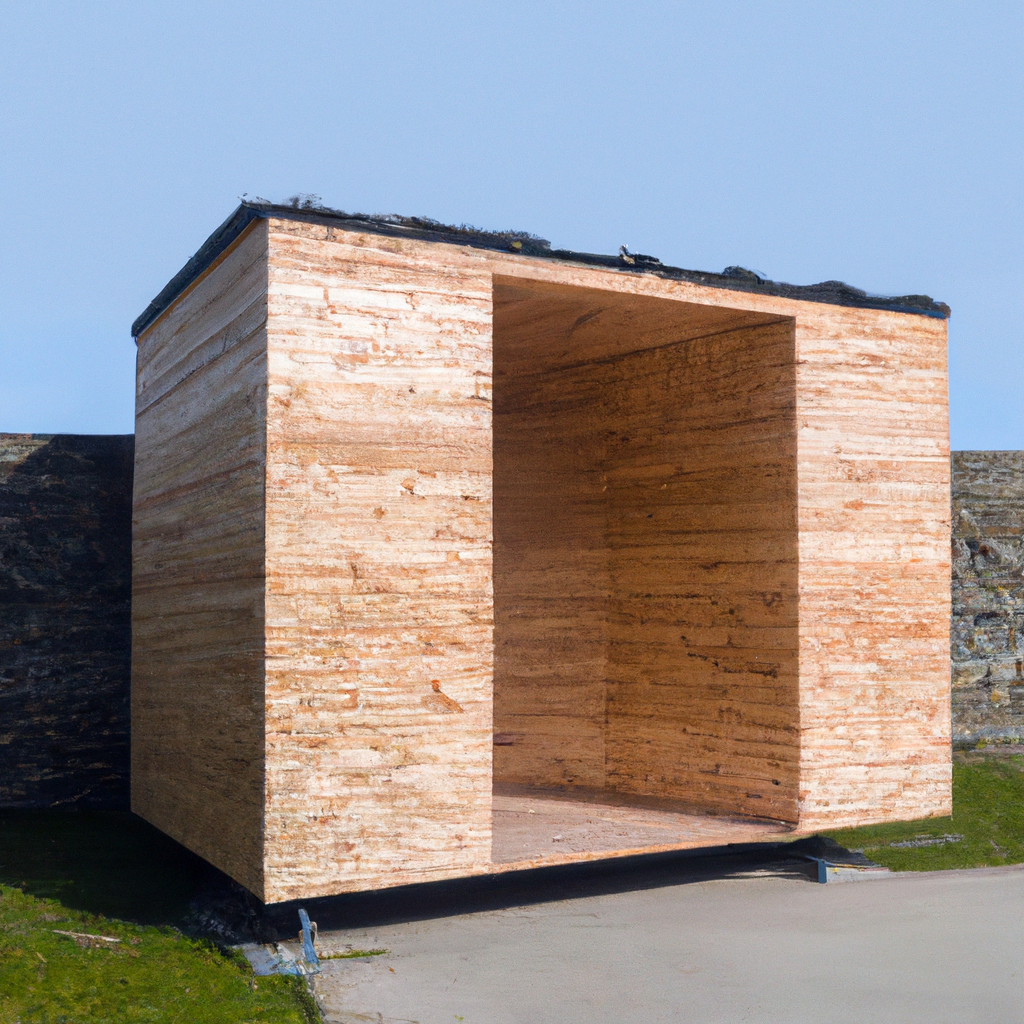
The cube outdoor sauna design is characterized by its geometric simplicity and functional efficiency. Typically constructed from high-quality wood, these saunas are designed to withstand various weather conditions while providing an optimal sauna experience. The compact nature of cube saunas allows for easy placement in backyards or gardens, making them accessible for personal use.
These saunas often feature traditional heating methods, such as wood-burning stoves or electric heaters, which provide a consistent and controllable heat source. The interior is usually equipped with benches for seating, allowing users to enjoy the sauna comfortably.
Social and Cultural Aspects of Sauna Use
Saunas have historically served as communal spaces where individuals gather to relax and socialize. The cube outdoor sauna retains this cultural significance, promoting social interaction among friends and family. The act of sauna bathing can foster a sense of community and belonging, which is essential for mental health and well-being.
Furthermore, the ritualistic elements of sauna use, such as cooling off after heating and the practice of washing, enhance the overall experience and contribute to its therapeutic effects. Engaging in these rituals can promote mindfulness and relaxation, further amplifying the benefits of sauna bathing.
Scientific Evidence Supporting Sauna Use
Numerous studies have been conducted to investigate the health benefits of sauna use, with many supporting the claims of improved cardiovascular health, respiratory function, and mental well-being. For example, a meta-analysis published in the European Journal of Preventive Cardiology concluded that regular sauna use is associated with a significant reduction in cardiovascular mortality.
Additionally, the physiological effects of sauna bathing, such as increased heart rate and improved circulation, have been documented in various clinical studies. These effects are thought to mimic the benefits of moderate physical exercise, making sauna use a valuable adjunct to a healthy lifestyle.
Conclusion
Cube outdoor saunas represent a modern yet traditional approach to wellness, encapsulating the numerous health benefits associated with sauna bathing. From enhancing cardiovascular health to promoting mental well-being, the evidence supporting the therapeutic effects of sauna use is robust. As individuals seek holistic approaches to health, integrating a cube outdoor sauna into their lifestyle may offer a unique and beneficial solution.
For those interested in exploring the benefits of traditional sauna practices, consider learning more about the significance of outdoor traditional saunas: Outdoor Traditional Saunas: Why This Ancient Practice Belongs in Your Backyard – Outdoor Steam Sauna Resource.
FAQ
What is a cube outdoor sauna?
A cube outdoor sauna is a compact sauna design that retains traditional sauna features while being suitable for outdoor installation. It typically includes wooden construction and efficient heating methods.
How often should I use a sauna for health benefits?
Research suggests that using a sauna 2-3 times per week can provide significant health benefits, including improved cardiovascular health and reduced stress levels.
Are there any risks associated with sauna use?
While sauna use is generally safe for most individuals, those with certain medical conditions, such as cardiovascular issues or pregnancy, should consult a healthcare provider before use. Staying hydrated and limiting session duration is also recommended.