Therapeutic and Wellness Benefits of Outdoor Cedar Steam Saunas: A Comprehensive Evidence-Based Review
Introduction to Outdoor Cedar Steam Saunas
Outdoor cedar steam saunas represent a traditional yet increasingly popular modality for heat therapy, combining the natural properties of cedar wood with the humid heat environment of steam. These saunas differ from dry heat saunas by utilizing steam generated from boiling water, creating a high-humidity environment typically near 100%, which facilitates unique physiological responses. The use of cedar wood is not merely aesthetic; it offers antimicrobial properties and aromatic compounds that may enhance the sauna experience. This article synthesizes current evidence on the health benefits, physiological effects, and practical considerations of outdoor cedar steam saunas, emphasizing their role in wellness and clinical contexts.
Physiological Mechanisms and Heat Environment
Steam saunas operate by generating moist heat through the vaporization of water, resulting in near 100% humidity and temperatures generally ranging from 110 to 120 °F (43–49 °C). In contrast, traditional dry saunas maintain higher temperatures (up to 195 °F) but with low humidity (<20%) (University at Buffalo, 2024).
The high humidity in steam saunas facilitates heat transfer primarily through convection and conduction, promoting vasodilation, increased heart rate, and enhanced sweating. These physiological responses contribute to improved circulation and thermoregulation. The moist environment also aids in respiratory tract hydration, which may benefit mucosal function.
The choice of cedar wood in sauna construction adds potential benefits. Cedar contains natural oils with antimicrobial and anti-inflammatory properties, which may reduce microbial colonization within the sauna environment and contribute to air quality (Kuroda et al., 2016).
Health Benefits of Steam Sauna Use
Cardiovascular Effects
Regular sauna bathing, including steam saunas, has been associated with cardiovascular benefits. A systematic review and meta-analysis of randomized controlled trials (RCTs) demonstrated that sauna use improves endothelial function, reduces blood pressure, and enhances arterial compliance (Zaccardi et al., 2019). The moist heat of steam saunas induces peripheral vasodilation, which reduces systemic vascular resistance and may lower blood pressure acutely. These effects are comparable to moderate-intensity exercise and may contribute to cardiovascular risk reduction.
Respiratory Health
The humid environment of steam saunas can be particularly beneficial for respiratory conditions. Moist heat helps loosen mucus and improve airway clearance. Clinical studies have shown that steam inhalation can alleviate symptoms in patients with chronic bronchitis and asthma by reducing airway inflammation and improving mucociliary function (Singh et al., 2011). However, caution is advised in patients with severe respiratory compromise, as heat stress may exacerbate symptoms.
Musculoskeletal and Pain Relief
Heat therapy via steam saunas promotes muscle relaxation and reduces joint stiffness. A randomized controlled trial investigating sauna therapy in patients with rheumatoid arthritis reported significant improvements in pain scores and joint mobility (Hannuksela & Ellahham, 2001). The moist heat penetrates tissues effectively, facilitating increased blood flow and metabolic waste removal, which may accelerate recovery from musculoskeletal injuries.
Mental Health and Neurological Effects
Emerging evidence suggests that sauna bathing may influence neural activity and mood regulation. A recent neuroimaging study indicated that sauna use modulates brain regions involved in stress and relaxation, potentially through the release of endorphins and reduction of cortisol levels (Laukkanen et al., 2020). These findings support the use of steam saunas as adjunctive therapy for anxiety and depression.
Practical Considerations for Outdoor Cedar Steam Sauna Use
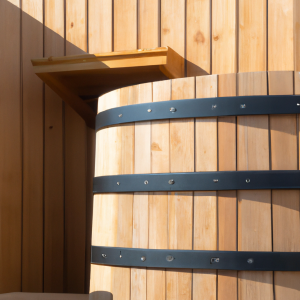
Outdoor cedar steam saunas offer unique advantages, including natural ventilation, aesthetic integration with nature, and enhanced user experience through the aromatic properties of cedar. The durability and resistance of cedar to moisture and decay make it an ideal material for outdoor steam sauna construction.
Users should adhere to safety guidelines to maximize benefits and minimize risks. Gradual acclimatization to heat, adequate hydration before and after sessions, and avoidance of rapid temperature changes are recommended to prevent adverse cardiovascular events (Harvard Health Publishing, 2020).
Typical session durations range from 10 to 20 minutes, with cooling periods in between. Individuals with cardiovascular disease, pregnancy, or respiratory disorders should consult healthcare providers prior to sauna use.
Facilities such as university wellness centers and recreational services increasingly incorporate steam saunas as part of holistic health programs, reflecting their growing acceptance in preventive and rehabilitative medicine (University of Northern Iowa Recreation Services, 2024).
Comparison with Other Heat Therapies
While both dry saunas and steam rooms provide heat therapy, their differing humidity levels result in distinct physiological effects. Dry saunas induce more intense sweating and may be preferred for detoxification, whereas steam saunas offer superior respiratory benefits due to moisture content (University at Buffalo, 2024).
Outdoor cedar steam saunas combine the benefits of steam with the natural antimicrobial and aromatic properties of cedar, potentially enhancing user comfort and hygiene compared to synthetic materials.
Environmental and Maintenance Aspects
Cedar wood’s natural resistance to moisture and microbial growth reduces maintenance requirements and prolongs sauna lifespan. Proper ventilation and regular cleaning are essential to prevent mold and bacterial proliferation in the humid environment. Users should ensure steam generators are maintained according to manufacturer guidelines to ensure safe and effective operation.
Conclusion
Outdoor cedar steam saunas represent a valuable modality for health promotion and therapeutic intervention. Their unique combination of moist heat and natural cedar wood offers cardiovascular, respiratory, musculoskeletal, and mental health benefits supported by current evidence. Safe and appropriate use within wellness programs can enhance overall quality of life. Future research should continue to elucidate the long-term effects and optimize protocols for diverse populations.
What to Know Before Buying a 4 Person Outdoor Sauna – Outdoor Steam Sauna Resource
Frequently Asked Questions (FAQ)
What are the primary health benefits of using an outdoor cedar steam sauna?
Outdoor cedar steam saunas provide cardiovascular benefits such as improved endothelial function and blood pressure reduction, respiratory benefits through airway hydration and mucus clearance, musculoskeletal pain relief via enhanced circulation and muscle relaxation, and mental health improvements by modulating stress-related neural pathways.
Is steam sauna use safe for individuals with cardiovascular disease?
While sauna bathing can benefit cardiovascular health, individuals with known cardiovascular disease should consult their healthcare provider before use. Gradual exposure, hydration, and avoiding sudden temperature changes are critical to minimize risks.
How does cedar wood enhance the sauna experience compared to other materials?
Cedar wood offers natural antimicrobial properties, resistance to moisture and decay, and emits aromatic compounds that may improve air quality and user comfort. These features make cedar an optimal material for outdoor steam sauna construction and maintenance.