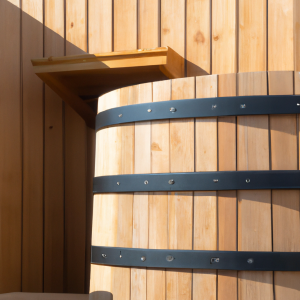
Backyard Traditional Sauna: Health Benefits, Design, and Usage Considerations
Introduction to Backyard Traditional Saunas
The traditional sauna, particularly the Finnish-style dry sauna, has been an integral part of health and wellness practices for centuries. In recent years, the backyard traditional sauna has gained popularity as a private, accessible means to harness the physiological and psychological benefits associated with sauna bathing. Unlike infrared saunas, traditional saunas utilize heated rocks to generate dry heat, often accompanied by rituals such as cooling-off periods and hydration, which enhance the overall therapeutic experience.
Physiological Effects and Clinical Benefits of Traditional Sauna Bathing
Regular sauna bathing has been systematically reviewed for its clinical effects, revealing a broad spectrum of health benefits. According to a comprehensive systematic review by Hussain and Cohen, traditional dry sauna bathing induces cardiovascular, metabolic, and neuroendocrine responses that contribute to improved health outcomes. These include enhanced endothelial function, reduced blood pressure, and improved lipid profiles, which collectively reduce cardiovascular risk factors.
Moreover, sauna use promotes heat-induced vasodilation and sweating, facilitating detoxification and skin health. The heat stress also activates heat shock proteins, which play a role in cellular protection and repair mechanisms. Importantly, sauna bathing has been associated with improved mood and reduced symptoms of depression and anxiety, likely mediated through endorphin release and autonomic nervous system modulation.
Regular sessions, typically lasting 15–20 minutes at temperatures between 70–100°C, followed by cooling-off periods, have been linked to reduced all-cause mortality and cardiovascular events in epidemiological studies, particularly in Finnish populations where sauna culture is prevalent [1].
Design and Construction of Backyard Traditional Saunas
Backyard traditional saunas are typically constructed from wood, such as cedar or spruce, which withstands high temperatures and humidity while providing a pleasant aromatic environment. The heating element consists of an electric or wood-burning stove with sauna stones that retain and radiate heat. Users pour water on the stones to create steam, temporarily increasing humidity and intensifying the heat sensation.
Key considerations in backyard sauna design include insulation, ventilation, and safety. Proper insulation ensures energy efficiency and consistent temperature maintenance, while ventilation prevents accumulation of stale air and maintains oxygen levels. Safety features such as temperature controls, timers, and heat shields are essential to prevent burns and overheating.
Modern backyard saunas may incorporate semi-automated controls for temperature and humidity regulation, enhancing user convenience and safety. While infrared saunas have gained traction, traditional saunas remain preferred for their authentic heat experience and associated physiological effects.
Health and Safety Guidelines for Backyard Sauna Use
To maximize benefits and minimize risks, sauna users should adhere to established guidelines. Sessions should be limited to 15–20 minutes, with cooling-off periods involving exposure to fresh air or cold water immersion. Hydration before, during, and after sauna use is critical to prevent dehydration and electrolyte imbalance.
Individuals with cardiovascular disease, hypertension, or other chronic conditions should consult healthcare providers before initiating sauna use. Although sauna bathing is generally safe for healthy adults, contraindications include unstable angina, recent myocardial infarction, and severe hypotension.
Children, pregnant women, and elderly individuals require tailored sauna protocols considering their physiological vulnerabilities. Monitoring for symptoms such as dizziness, palpitations, or excessive fatigue is essential to prevent adverse events.
Integration of Sauna Rituals: Cooling and Rehydration
Traditional sauna bathing often involves rituals that enhance physiological benefits, including alternating heat exposure with cooling phases and oral rehydration. Cooling-off intervals facilitate cardiovascular recovery by promoting vasoconstriction and normalization of heart rate and blood pressure. This cyclical thermal stress is believed to improve autonomic balance and cardiovascular resilience.
Rehydration with water or electrolyte-containing fluids before, during, and after sauna sessions prevents dehydration and supports thermoregulation. These practices are integral to the traditional Finnish sauna experience and contribute to its health-promoting effects [1].
Environmental and Practical Considerations for Backyard Saunas
Installing a traditional sauna in a backyard setting requires consideration of space, local regulations, and environmental impact. Saunas should be positioned on stable, non-flammable surfaces with adequate clearance from combustible materials. Electrical installations must comply with safety codes, preferably performed by licensed electricians.
Energy consumption varies depending on sauna size and heating method. Wood-burning stoves offer a traditional ambiance but require ventilation and chimney installation, whereas electric heaters provide ease of use and precise temperature control.
Maintenance involves regular cleaning, stone replacement, and inspection of heating elements to ensure longevity and safety. Incorporating natural elements such as wooden benches and ambient lighting can enhance the therapeutic atmosphere.
Comparison with Other Sauna Modalities
While infrared saunas operate at lower temperatures and use radiant heat to penetrate tissues, traditional saunas rely on high ambient heat and humidity cycles. The clinical evidence supporting traditional saunas is more extensive, particularly regarding cardiovascular benefits and mortality reduction. However, individual preferences and specific health conditions may guide sauna modality choice.
For those interested in electric steam sauna options as an alternative or complement to traditional setups, additional resources are available Electric Steam Saunas – Outdoor Steam Sauna Resource.
Frequently Asked Questions (FAQ)
What are the primary health benefits of using a backyard traditional sauna?
Backyard traditional saunas provide cardiovascular benefits such as improved endothelial function and blood pressure reduction, promote detoxification through sweating, enhance mood via neuroendocrine effects, and support skin health. Regular use has been linked to decreased risk of cardiovascular events and all-cause mortality in population studies [1].
How often should one use a traditional sauna for optimal health benefits?
Evidence suggests that 2–3 sauna sessions per week, each lasting 15–20 minutes, are associated with significant health improvements. More frequent use, such as 4–7 times per week, may confer additional cardiovascular protection, but individual tolerance and health status should guide frequency.
Are there any risks or contraindications associated with backyard traditional sauna use?
While sauna bathing is generally safe for healthy adults, risks include dehydration, hypotension, and heat-related illness if guidelines are not followed. Contraindications include unstable cardiovascular conditions, recent myocardial infarction, and severe hypotension. Pregnant women, children, and individuals with chronic illnesses should seek medical advice prior to sauna use.
Conclusion
Backyard traditional saunas offer a scientifically supported, culturally rich modality for enhancing cardiovascular, metabolic, and psychological health. Their design and use require attention to safety, environmental factors, and individual health status. Integrating traditional sauna rituals of heat exposure, cooling, and hydration maximizes therapeutic outcomes. As interest in home wellness solutions grows, backyard traditional saunas represent a valuable addition to health-promoting lifestyle practices.
For further detailed guidance on sauna types and installation, consult reputable health sources and sauna construction experts.
References
- Hussain J, Cohen M. Clinical Effects of Regular Dry Sauna Bathing: A Systematic Review. Evid Based Complement Alternat Med. 2018;2018:1857413.
- National Center for Biotechnology Information (NCBI) – Sauna and Cardiovascular Health
- Centers for Disease Control and Prevention (CDC) – Sauna Safety Guidelines
- ClinicalTrials.gov – Sauna Bathing Studies